
Choline is an essential nutrient during pregnancy and lactation but only 15% of us are getting the recommended daily amount.
So what is it and why do we need it?
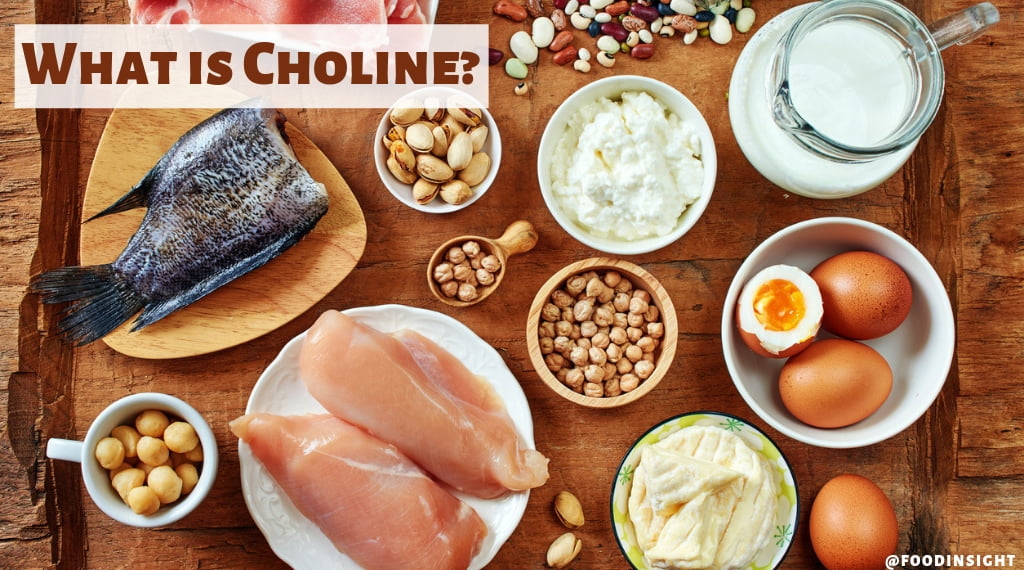
Choline is one of the many B Vitamins we need. B4, to be exact.
Choline is a key nutrient for fetal brain development and protection. Choline supports brain development, memory, and learning —and protects us from infections. When we think about brain development during fetal growth we often think about folate (which is also very important!) but choline plays an important role in neural tube development.
During pregnancy choline protects us from serious complications.
Choline is required for maintaining normal levels of homocysteine:
Elevated homocysteine levels during pregnancy have been associated with complications like: preeclampsia, miscarriage, placental abruption, intrauterine growth restrictions (IUGR) , venous thrombosis, and cardiovascular related complications.
Adequate choline during pregnancy can also protect us from cholestasis which is a common complicating during pregnancy and postpartum.
Choline can also be used to reduce risks and prevent mastitis. It is one of the components of lecithin.
Choline RDA During pregnancy 450 mg/day During lactation 550 mg/day
Choline is a naturally occurring amino acid found in egg yolks, liver, animal meat, beans, milk, some vegetables, as well as in human breast milk.
Amount of Choline Per Serving of Food:
- Beef Liver (3 oz): 356 mg
- Egg, hard boiled: 147 mg
- Beef top round (3 oz) : 117 mg
- Soybeans, roasted (½ cup): 107 mg
- Chicken breasts (3 oz) 72 mg
- Beef, ground (3 oz): 72 mg
- Fish, cod and salmon (3 oz): 71 mg
- Broccoli (1 cup): 63 mg
- Green Peas (1 cup): 47.5 mg
- Navy Beans (½ cup): 41 mg
- Milk (8 oz): 40 mg
If you are considering supplementing your diet with choline look for products containing phosphatidylcholine.
❤ Megan

 Linn Benton Lincoln Breastfeeding Coalition