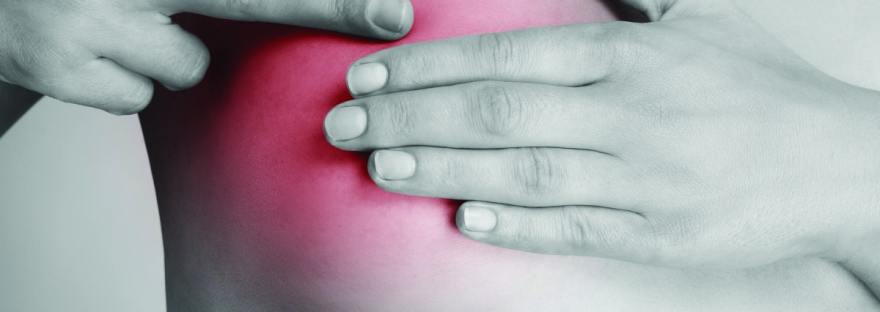
Mastitis is an inflammation in your breasts which may become an infection if not addressed. It affects about 1/3 of lactating parents but can be prevented and treated with quick resolution.
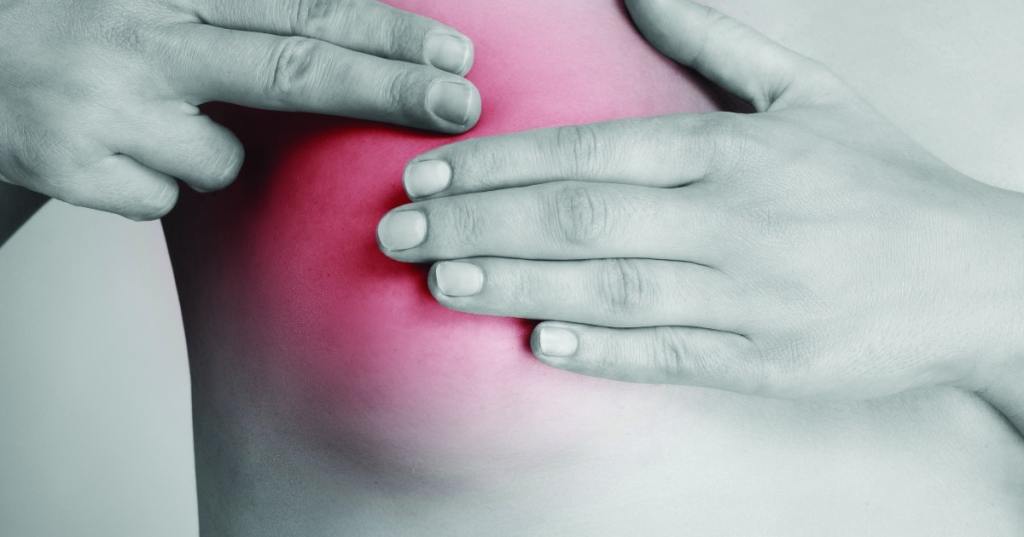
Mastitis is caused by inflammation and can be worsened by massage, excessive heat, overfeeding/overpumping.
If you’ve recently had a dose of antibiotics, your risk of developing mastitis is higher because a healthy balance of microbes throughout our body reduces inflammation and bacterial overgrowth. If left untreated, it can develop into an infection which will cause fever, fatigue, and overall body aches.
Mastitis may feel like a burning or hot sensation in your breast. It might start at the nipple and go deep into the breast. It’s more frequently felt in the lower parts of the breast. You may notice plugging or red areas in the breast. Early inflammation is sometimes mistaken for engorgement or plugged ducts.
For some parents, the feeling happens during milk ejection (letdown) and can feel like a burning or stinging sensation starting at the nipple and moving deeper into the breast.
Most commonly mastitis occurs during the first 2-4 weeks. Your risk of developing mastitis is higher if you have diabetes or if you have had antibiotics during or after delivery (ie, Group B Strep). It’s especially important to feed baby often and well in these situations.

Your milk is safe for baby when you have mastitis
Your Lactation Consultant can help you figure out how to
prevent mastitis from re-occurring.
Self-care can resolve the inflammation in most cases without the use of medication.
To treat mastitis, try the following:
- Ibuprofen and Tylenol as needed along with a cool pack applied after feeding/pumping.
- Avoid massage and excessive pumping.
- 5-10 grams daily oral sunflower lecithin supplementation to reduce inflammation.
- High-quality probiotics containing L. salivarius, fermentum, and gasseri. are generally refrigerated and contain 10 billion CFUs or higher. Continue taking the probiotics for 2 weeks after symptoms resolve.
Older recommendations included warm compresses, feeding and pumping very often, as well as vigorous massage. We now know this can increase symptoms.
Multiple studies have reported that probiotics (beneficial bacteria) are effective in treating infectious mastitis and also resulted in a lower occurrence of repeat mastitis compared to antibiotic treatment.
Call your doctor if you experience:
Fever over 101F
Flu-like aches
Nausea and chills
Pain and swelling in the breasts
Red, hot, tender area which is often wedge shaped
Red streaking toward the armpit
You should start to feel better in 8-24 hours. If you are not feeling better with self-care or you develop a fever, flu-like symptoms, or any signs of infection you will need to see your physician. Most people feel much better after 2 days but it’s important to take all 10-14 days of your medication or you may develop an abscess which requires surgical treatment. The most common antibiotics prescribed for mastitis are dicloxacillin or flucoxacillian.
Antibiotics can cause digestive symptoms so follow your doctor’s directions and taken your probiotic dose 2-4hrs after your medication.
Work with your Lactation Consultant to prevent mastitis from happening again.
If you get mastitis frequently or it’s always in the same area, your doctor may order an ultrasound to get more information.
❤ Megan Dunn, IBCLC

 Linn Benton Lincoln Breastfeeding Coalition