
from Pollywogfamily.org
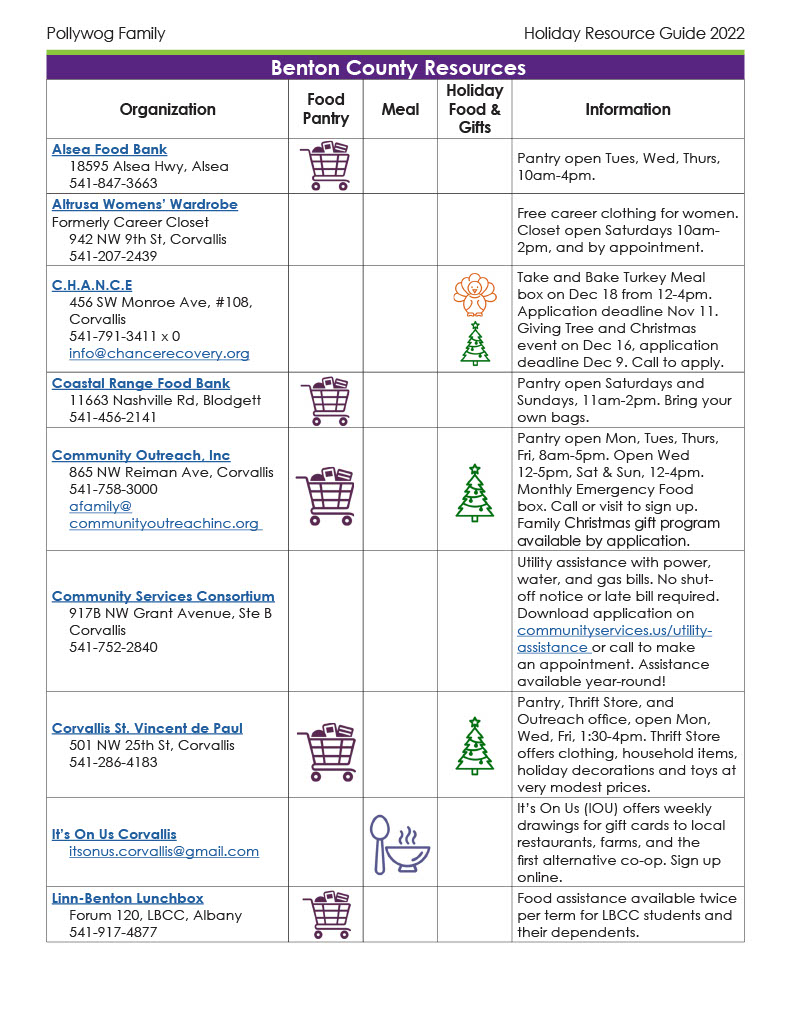
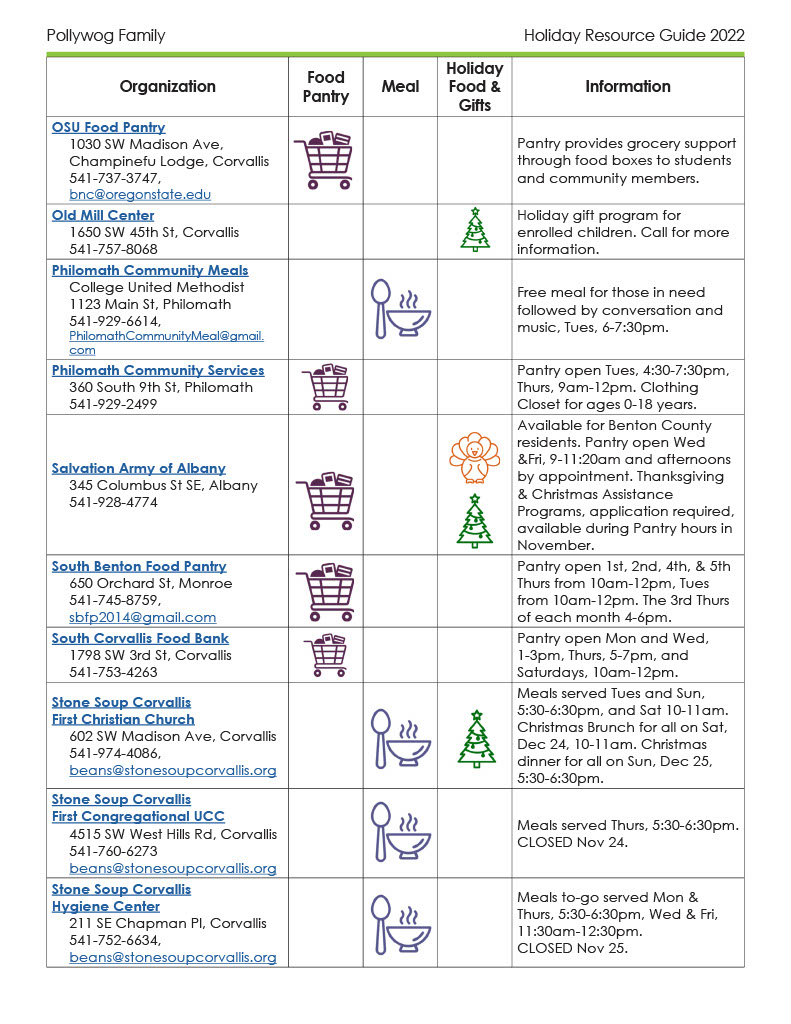
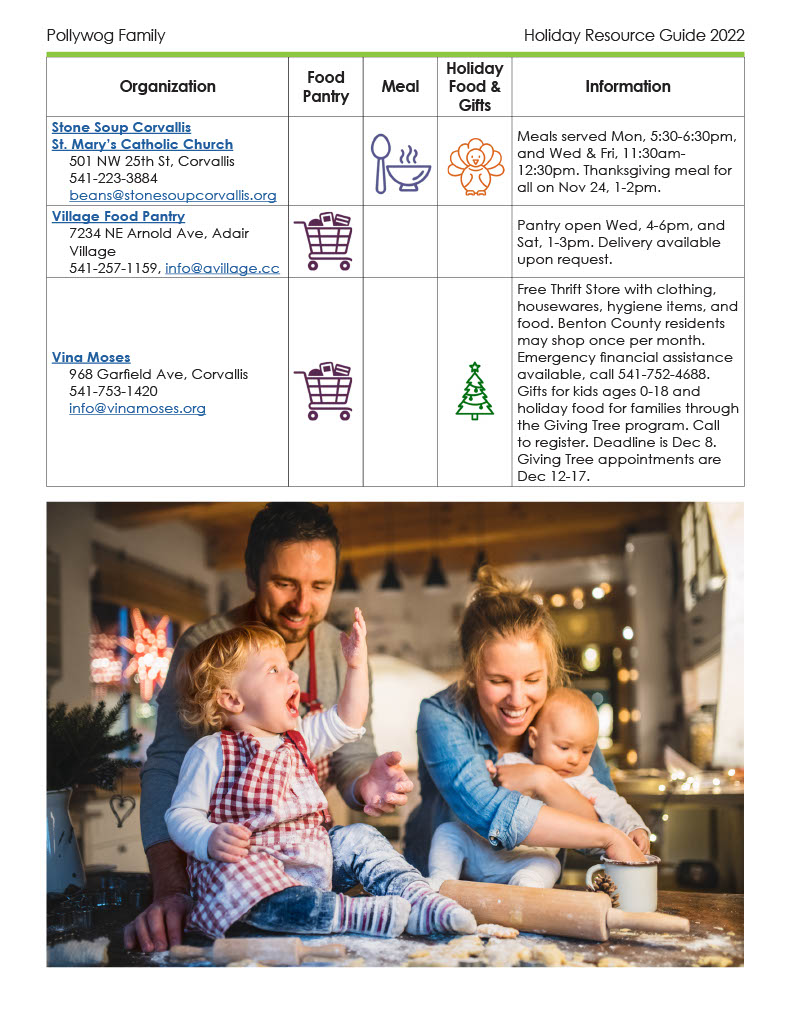
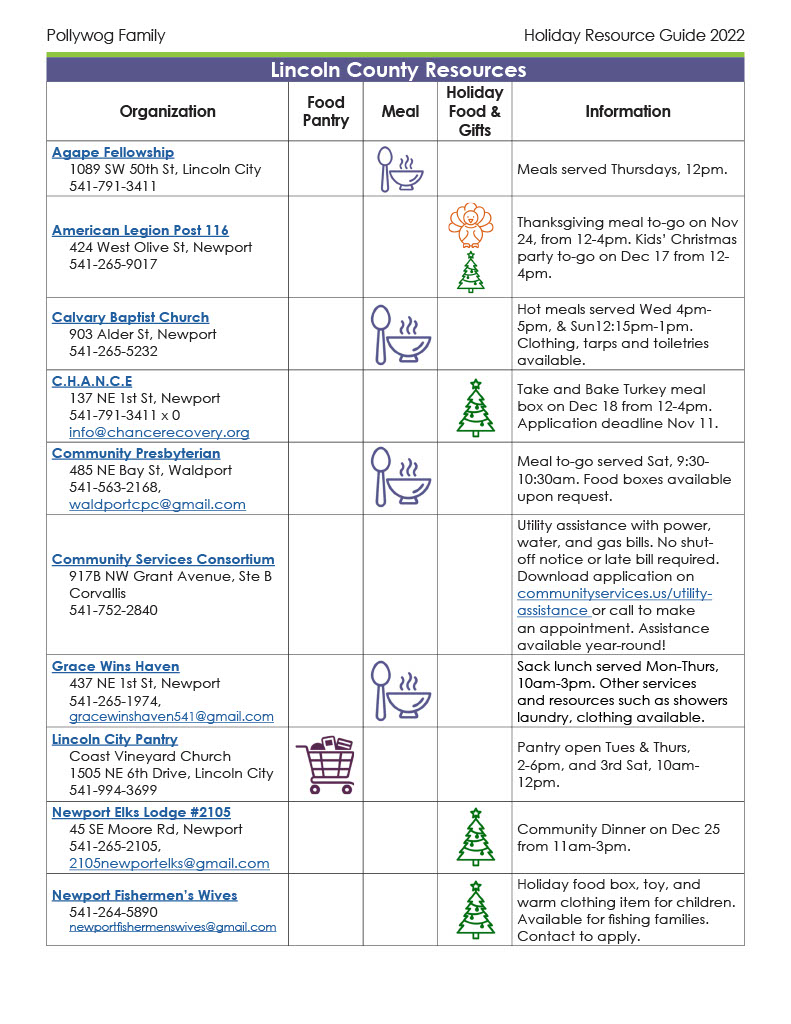
It can be confusing to figure out because some symptoms of food allergies/intolerance are also found with other types of feeding problems.
So how do you know for sure if your baby has an allergy?
Some symptoms are clearly associated with allergies and intolerance, not just a feeding problem. Babies will generally have more than one of these symptoms.
Food allergies mostly start after baby has started solids in addition to your milk.
While food intolerances, can start at any time. Dairy is the most common in infants.
You only need to remove it from your diet for about 3 days to see a difference. You do need to remove all milk products though. Check this list so you can spot the dairy in the ingredients list.
Other symptoms can go along with food allergies and intolerance but they can also be a sign of another feeding problem.
Colic or discomfort
Poor night time sleep
Not napping
Fussiness after feeds
Temporary green stool
Spit up or reflux
Gassiness
Blood in stool when you have nipple damage
How do you figure out the difference?
Schedule a consult with your IBCLC and they can do a full feeding assessment then refer you to a dietitian and an allergy specialist if a food allergy or intolerance is suspected.
❤ Megan
❤ Megan

 Linn Benton Lincoln Breastfeeding Coalition