
BLOG POSTS

So your baby has a tongue tie…

Lots of parents are surprised to find out their baby has ankyloglossia (tongue tie) and that such a tiny piece of tight tissue under the tongue is causing so many feeding problems!

Luckily, it a simple procedure to release the tongue and get on our way to easier feeding!

In my experience providing care for babies with tongue tie, doing just “the snip” isn’t enough to get full results. If we think about how baby has never had full range of motion with the tongue it makes sense that they will need time and help to get to normal movement.

Of course, working with a tongue tie-saavy Lactation Consultant and your provider is key but there are also things you can do at home!

Top 5 At-Home Tongue Tie Care

  1. Tummy time

    You may already be doing this with your baby but there are some modifications which may improve outcomes for tongue tied babies. Try rolling up a blanket or using your nursing pillow under their chest. This can be more comfortable for some babies and make the whole process more enjoyable.

    My favorite recommendations come from the Tummy Time Method which has parent handouts and lots of suggestions for tongue tie specifically

  2. Guppy Hold

    The Guppy Hold is great for stretching tight neck muscles and it’s very easy to do! Babies love it.
    Check out this video for more info

  3. Play with baby’s mouth!

    Try running a clean finger from one side of their gums to the other. They will “chase” you with their tongue. This is a fun stretch which encourages good movement.

    You can also insert a clean pinky finger, nail side down, once baby starts sucking pull gently. You are just adding a little resistance for baby to help strengthen their suck.

    When I’m doing these games, I like to sing a little made up song to engage baby and reinforce that what we are doing is happy playtime!

  4. Give baby options

    Move around where you place baby during the day when they aren’t snuggling in your arms. Switch up how they are faced at bedtime. Baby will naturally turn their head toward you so by switching it up, they will take turns looking both ways.

    The same goes for feeding. Breastfeeding on both sides is great and bottle feeding on both sides is great, too!

  5. Massage

    Massage and gentle touch is beneficial for many conditions, tongue tie included. This video has a great demonstration of massage parents can do on their own.

The biggest thing, is to have patience and keep working with your experienced tongue tie-saavy Lactation Consultant for continued help.

❤ Megan Dunn, IBCLC

breastfeeding

Breast Cancer and Breast/chestfeeding

October is famously breast cancer awareness month. We see everything from t-shirts to yogurt donning a pink ribbon to promote the big messages of the month:

-Risk reduction (eg. not using tobacco products)
-Monthly self exam
-Annual checks with your provider

You may already know that breastfeeding reduces your risk of developing breast cancer long term. Did you know it takes about 20 years to see the protective effect?

People who become pregnant also have a lowered risk, long term, of developing breast cancer. Basically, the fewer menstrual cycles you have, the lower your risk of breast cancer. In the short term, however, people who have been pregnant may be at risk for cancer.

Because of that risk, recommendations for screenings including mammograms may change depending on your personal and family history.

While we should all be doing monthly breast self exams, we may also need to check with our providers regarding more frequent medical exams and mammograms.

Screening mammograms are well known to improve survival in breast cancer, and this impact is most significant for women 40 to 50 years old. 

The American College of Radiology (ACR) recommends considering yearly screening during pregnancy and lactation for the following women:

  • under the age of 30 who are at high risk for breast cancer
  • 30-39 who are intermediate to high risk of breast cancer
  • over the age of 40 at average risk for breast cancer

Mammograms are totally safe to do while pregnant and lactating! You should express your milk before the procedure but there’s not need to “pump and dump” after.

As always, check with your provider if you have concerns or notice any changes to your breasts.

❤ Megan Dunn, IBCLC

BLOG POSTS

Reasons you should feed your baby responsively

New parents are given lots of advice about how to feed their baby.  Where to feed, when to feed, how to hold baby, how long to feed, and so much more!

You may have been told to feed your baby at least 8 times a day or every 3 hours but feeding on a schedule doesn’t really meet baby’s needs.

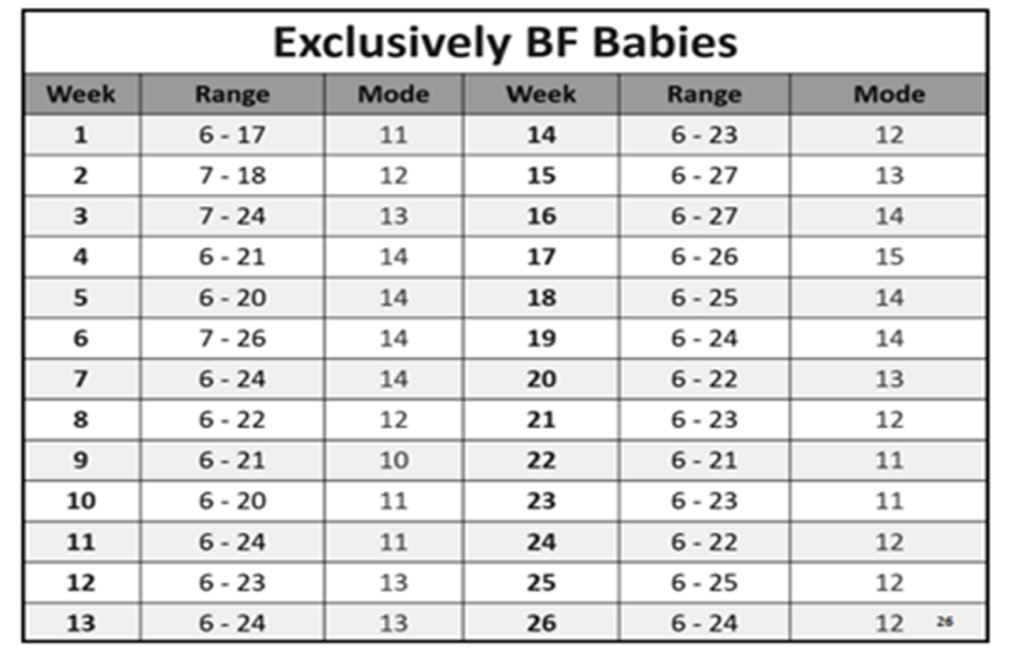
Baby has a high need for frequent feeds to keep them alert and build their brains!  Research shows that with responsive feeding there is a high variability in how many times a day baby will feed but it’s much closer to 12 times per 24hours than 8.  

Preliminary research from Swansea University regarding how many times per 24hrs babies feed

Reasons you should feed your baby on cue:

Readiness – Feeding your baby when they cue means you are offering a meal when they feel hunger and are alert enough to communicate that to you.  Imagine being offered your favorite meals when you are super tired…would you feel ready to eat?  Or would you have just enough before falling into a deep sleep?

Meeting all baby’s needs – Baby wants to feed and be close to you for lots of reasons!  You are their home.  You smell like home, you sound like home, you taste like home.  Feeding our baby promotes bonding, reduction of stress hormones, brain development, and so much more than just calories and nutrients!

Milk supply – Your baby doesn’t feed on a regular schedule and your body doesn’t make the same kind of milk every 3 hours on the dot.  AM milk is different from PM milk.  Milk composition changes, too.  At different times of the day it will have higher fat or sleep hormones to help set your baby’s clock and meet their nutritional needs.  If we schedule all the feeds we miss the opportunity to give baby the perfect custom meal each time!

Feeding when baby asks also supports a robust milk supply! Frequent feeding communicates a need to your body to keep making lots of milk!

Capacity – Different breasts/chests hold different amounts of milk (no, this isn’t related to size).  Some people have smaller capacity and can make all the milk baby needs but they need to feed more often.  Scheduled feeds or expectation of only 8 feeds in the day can make parents feel like their milk supply is low – when it’s totally normal!

Responsiveness = communication, trust, and independence – What do all these words have in common? They are what happens when we are responsive feeders.   When we respond to baby’s needs and pay attention to their body language (rooting, sucking, wiggling, lip smacking) we tell them they are heard.  When we respond to our babies they build trust and know their communication will be heard and they will get their needs met.  And that’s how we get independence!  Studies show that responding to our children and meeting their needs results in more independence in toddlerhood and beyond.

❤ Megan

BLOG POSTS

Not pumping enough?

  1. Is your pump new?  Your insurance will provide you a new pump with each baby.  The motor wears out with use!

  2. Are you using the right size flange/shield?  It should be just big enough to comfortably fit your nipple.

  3. Have you tried other settings?  Many pumps have a “letdown” mode with stronger and faster cycles to start MER.  When your milk slows turn this mode back on.

  4. Visualization makes milk flow! Sit in a comfortable place, take some deep breaths, and imagine your milk flowing easily.  Cover up the bottle so you can relax and not worry about how much you are pumping.


  5. Membranes, valves, and tubing need replacing regularly (between 3 weeks and 6 months depending on how often you pump).

This is also a good time to explore what “enough” is. Some bottles are really huge! And other parents on social media share huge pumping session successes which may not reflect what is average or achievable.

On average, exclusively pumping parents can express 3-4oz (90-120mL) with each session. Whereas, parents pumping after feeding baby will express about 1.5oz (45mL).
This is a reflection of what baby’s stomach can hold. Around 4-6 weeks most babies reach their maximum intake and can hold up to 5oz at a time. This doesn’t mean they need all 5oz (I don’t want to feel Thanksgiving dinner full after every meal!).

Over the course of a day, baby will take 27-30oz and this does not increase with age for breastfeeding babies!

So….how are you doing? Are you expressing 3-4oz when you exclusively pump?

If not, try some of the tips above and if that doesn’t work, check in with your IBCLC for a full evaluation and support!

❤ Megan

BLOG POSTS

Should I get the vaccine if I’m breastfeeding?

Yes!

The vaccine is safe for breastfeeding people and effective at preventing infection. The vaccine cannot give you or your baby a Covid infection.

Here’s where to find out where you can get vaccinated

Here is more information from the CDC about getting the vaccine when you are breastfeeding

Recent research has shown that out milk contains anti-bodies in response to the vaccine that we then are passing onto baby. This may help protect baby from infection!

Antibodies and T-cells stimulated by the vaccine may passively transfer into milk. Following vaccination against other viruses, IgA antibodies are detectable in milk within 5 to 7 days. Antibodies transferred into milk may therefore protect the infant from infection with SARS-CoV-2
-Academy of Breastfeeding Medicine

Currently the Covid vaccine is available for people aged 12 and up. There are clinical trials in place for ages 6 months to 12 years to determine safety. Experts think that we may have expanded use for younger children available this Fall.

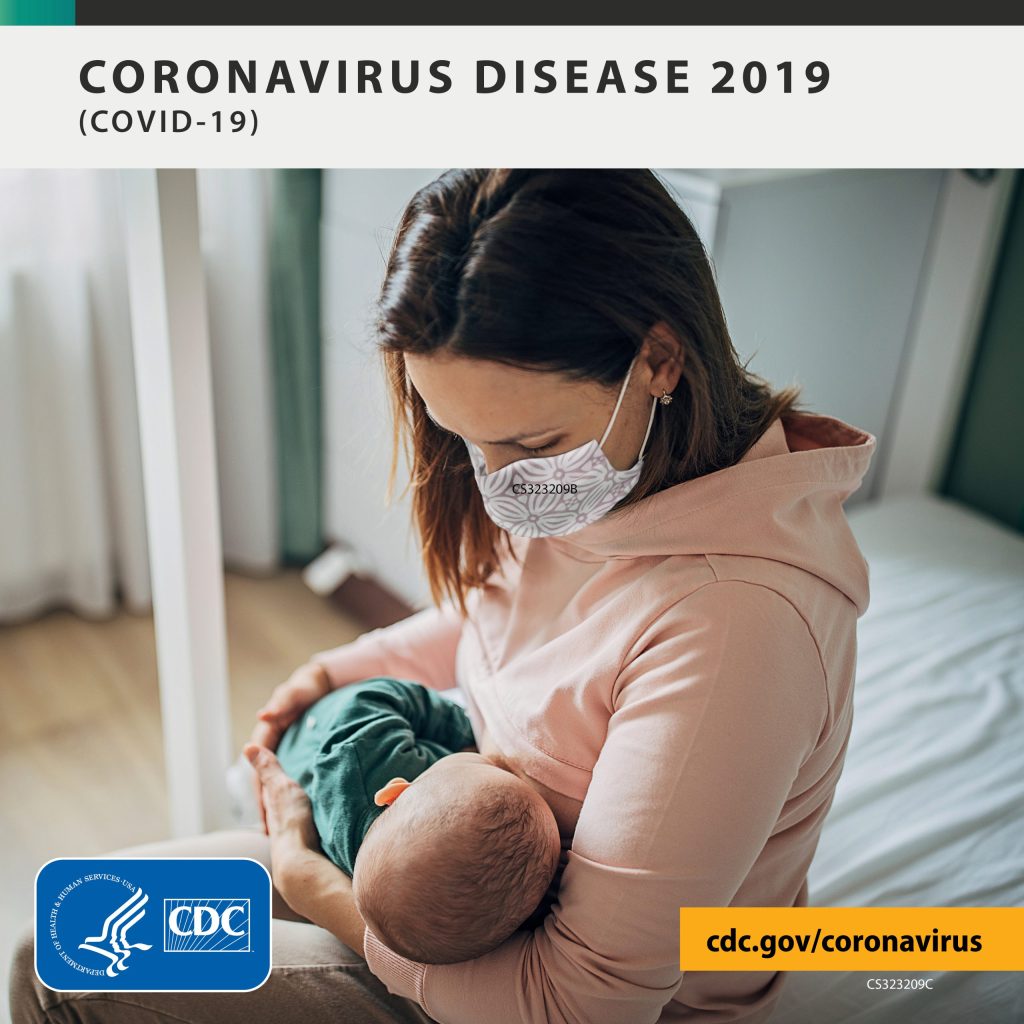
If you do become infected with Covid-19 while breastfeeding the CDC has guidance for you.

WBW

Get ready!

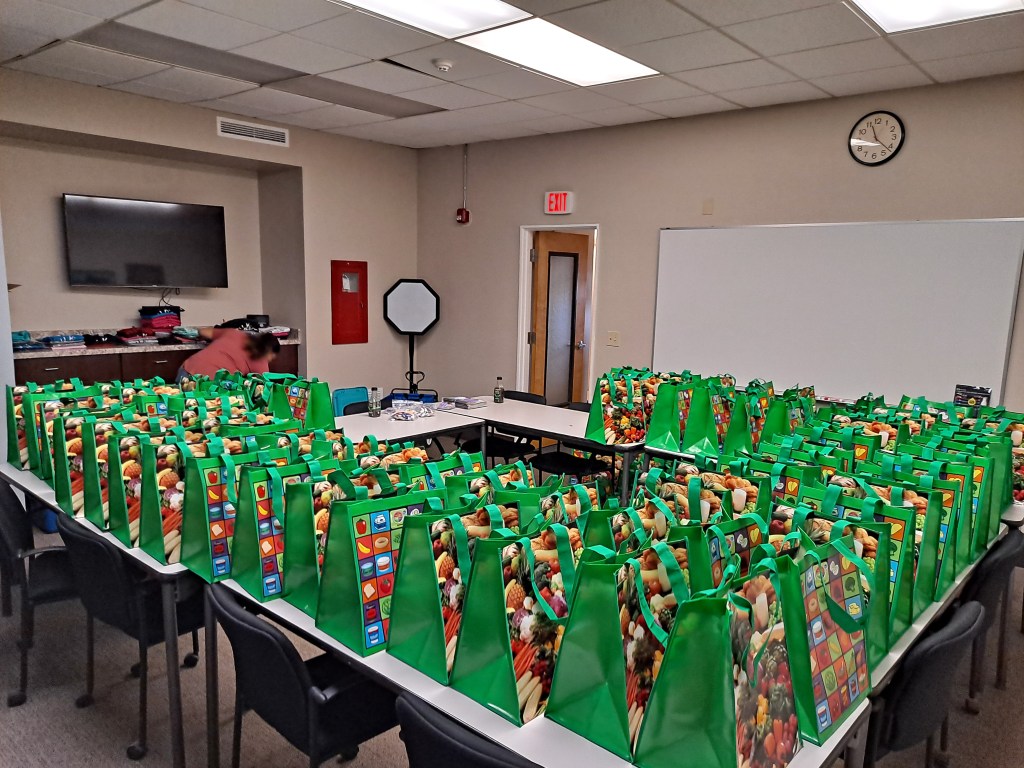
We’ve been busy all day today setting up for the World Breastfeeding Week event
Saturday August 7th from 10am-12pm in the parking lot at 315 SW 4th Ave, Albany!
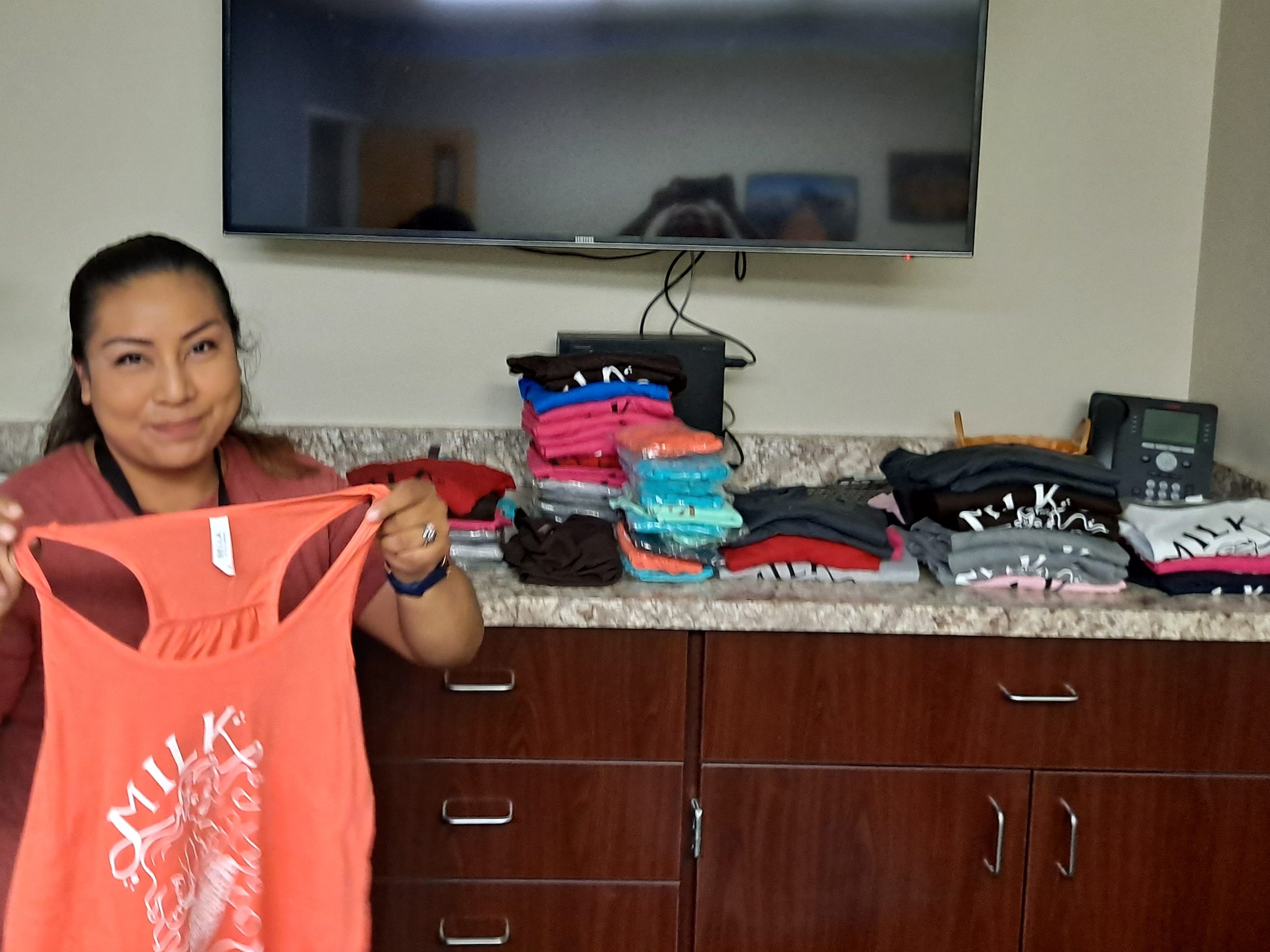
Stuffing gift bags and organizing to get ready for you to join us!


Help celebrate World Breastfeeding Week from 10 a.m. to noon Saturday at the Linn County Courthouse annex parking lot, 315 SW 4th St., Albany.


Sponsored by the Linn County WIC program (Women Infant Children). Numerous partners will have displays and gifts.
Partners include: Linn County Breastfeeding Peer Counseling Services, Linn County Maternal Child Health, Linn Benton Lincoln Breastfeeding Coalition, La Leche League, Snap-food stamps, Pollywog, Capitol Dental Care, Kidco Head Start, Midvalley Doulas, Samaritan Health Services.


Linn County Public Health will also have its mobile COVID vaccination van on-site. 

This year’s international theme is, “Protect Breastfeeding: A Shared Responsibility.”

World Breastfeeding Week is being celebrated in 120 countries.


According to the World Health Organization, breastfeeding is one of the most effective ways to ensure child health and survival. Breastfeeding provides infants with essential nutrients to support growth and development. It acts as a child’s first vaccine and protects them from many common childhood diseases.

We can’t wait to see you!!

breastfeeding, milk supply

Top 3 Things To Do for Breastfeeding Success

  1. Start hand expression at 36 weeks if you are not at risk for preterm delivery

This builds up hormone receptors which help you to make the most milk!  It also gets you familiar with the technique which is super helpful to do at least 5 times a day after birth (for the first 2 weeks).  If you hand express into a clean container you can store the colostrum (early milk) in the freezer and bring it with you in case your baby needs a supplement after birth.

2. Golden Hour

Hold your baby skin-to-skin after delivery until baby has had their first meal.
It takes time to adjust to the outside world!  It’s so bright and loud and cold!  Let baby find their way to the breast and attach on their own –they can do it if we give them time.
Our bodies are also primed from labor to transfer the most colostrum in the first few hours, so make the most of it!

3. Have a Nursing Marathon for 3 days after birth

Feed often (at least 10 times per 24 hours) especially when baby is awake and calm, hold baby skin-to-skin as much as you can, and do hand expression at least 5 times per day after feeds.  This tells your body to make lots of milk and helps prevents swelling (which is also called engorgement).
Keeping baby close by will help everyone rest and recover. Snuggling baby often also reduces crying!

Megan Dunn, IBCLC