breastfeeding, chestfeeding, milk supply

Plugged Ducts

Many people think a plugged duct is caused by a backup of thickened milk but the plugging comes from outside the duct.

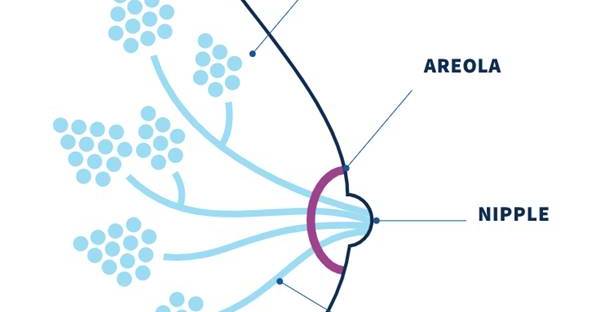
Our milk ducts carry milk from the milk making cells which are grouped together in alveoli.  The alveoli are like little clusters of grapes which connect to the ducts.  The ducts carry milk to the nipple openings.
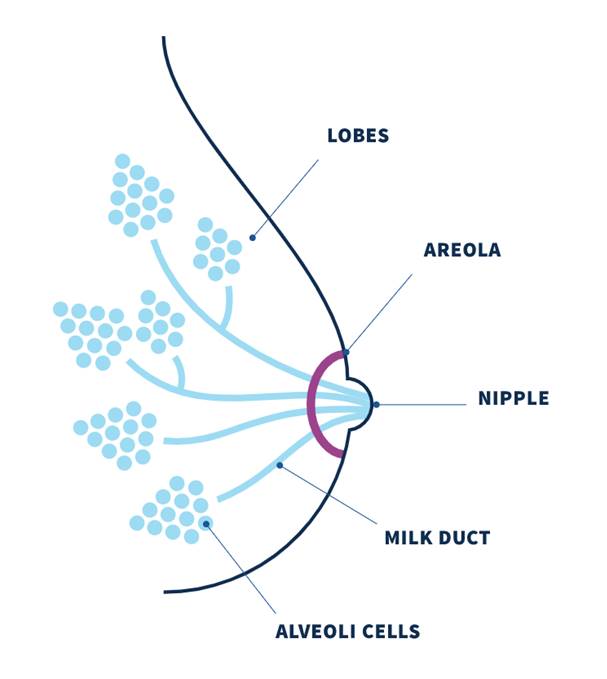
A breast “plug” represents an area of swelling in the breast and more accurately reflects lymphatic fluid congestion and dilated capillaries than a “plug of milk.”  The plugging is caused by engorgement and congestion of fluid and blood vessels pressing in on the duct from outside which narrows the pathway. 
Exclusive or excessive pumping, nipple shield use, oversupply, unresolved engorgement, inflammation, or subacute mastitis increases plugging.

To treat plugging, try the following:

  1. Warmth before feeding.  A warm shower or warm pack applied to the breast.
  2. Ibuprofen and/or Tylenol as needed along with a cool pack applied after feeding/pumping.
  3. Avoid massage and excessive pumping (remember it’s not milk that’s plugged).
  4. 5-10 grams daily oral sunflower lecithin supplementation

This should resolve in 24hrs.  If it does not, contact your provider and lactation consultant for guidance.  Therapeutic ultrasound is very effective.  Your doctor may prescribe a single dose of 10-30mg of Pseudoephedrine (Sudafed) which acts as a vasoconstricting agent (i.e. decreases blood flow) and may help with any pain.

Any plug or mass persisting for several days and not resolving with conservative interventions requires referral to a medical provider, who may obtain breast imaging to rule out galactocele and/or other mass.

breastfeeding, chestfeeding, milk supply

Engorgement

Engorgement is common in the first week after delivery.  Rather than a swelling caused by milk, it is an increase of fluid in the breast brought on by the same hormones which transition your colostrum to transitional and mature milk. 

Extra fluids from labor (IV fluids) and some medications can increase this fluid retention.  You might also notice it in your hands and ankles/feet.  It tends to peak on day 5 after birth.

Sometimes, early mastitis is mistaken for engorgement. If you are still engorged after the first week, contact your Lactation Consultant to discuss what’s going on.

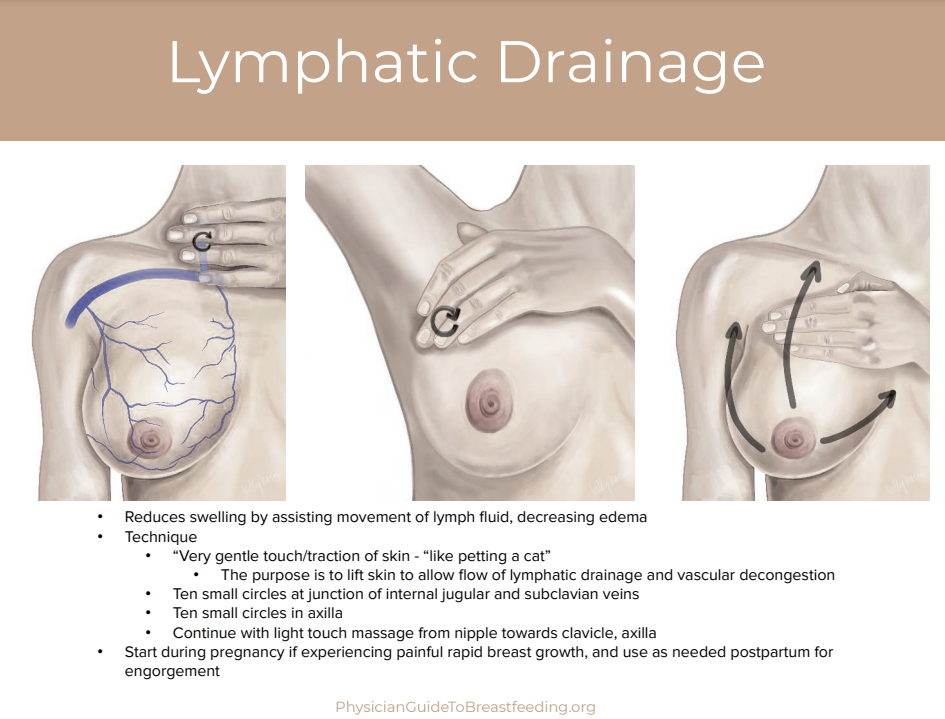
To reduce the engorgement very gentle massage can be helpful. 

Wearing a soft and supportive garment like a bra without wires or a nursing tank is also helpful. 

Frequent feeding will keep your milk flowing and contribute to breast softness.  Aim for every 2 hrs, with rest in between. It’s important to let your breasts rest and the rest of you, too! We all need to sleep and rest to recover properly and ensure long-term milk production.

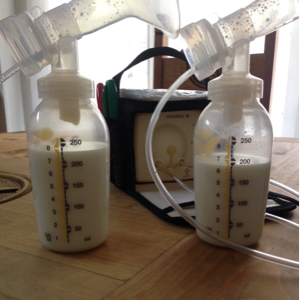
Excessive pumping will increase the engorgement.  Instead try hand expression for a few minutes. 
Diuretic foods (foods that help you urinate frequently) can also help.  These can include melons, cucumber, lettuces and dark leafy greens.  Avoid caffeine and salty foods.
If the feeling persists, the use of Tylenol and cold packs can provide some relief.  Avoid excessive heat on the breast.

If not resolved with these measures contact your provider and lactation consultant.  Therapeutic ultrasound can be helpful or your doctor may prescribe a single dose of Pseudoephedrine 10-30mg to relieve symptoms.

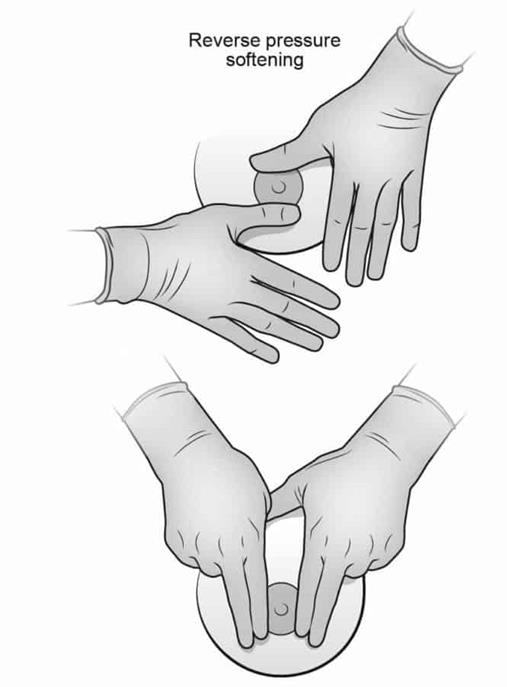
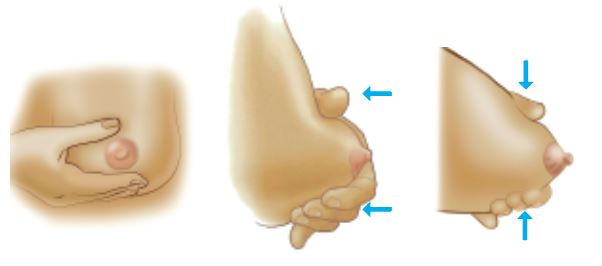
If your breasts are too full for baby to latch well, reverse pressure softening around the nipple may be helpful.

Hand expressing a little bit of milk may also be helpful. 

Avoid:  Pumping often (milk is not causing the fullness), firm or excessive massage, heat packs (increases inflammation).

You should feel better soon with these tips!

❤ Megan

breastfeeding, chestfeeding, milk supply

4 Things You Can Do to Manage Oversupply

Oversupply or hyperlactation can occur for a variety of reasons but is most common when early and excessive pumping, galactagogue (herbs and foods to promote lactation) use, and exclusive pumping.

You may notice engorgement past the first few weeks, pain, plugging, mastitis, or your baby may sputter or choke on your milk flow or even have a lot of spit up after feeds.

Once baby has reached two weeks of age, they only need 2-5oz per feeding (or about 1oz per hour).  If you are finding that you need to pump after feeds or are producing significantly more than 5-6oz with exclusive pumping, you may have an oversupply.

An oversupply puts you at risk of an inflammatory breast condition called mastitis which can develop into an infection which ultimately will reduce your supply.

Work with your Lactation Consultant to address your oversupply.  In the meantime, you can try a few things on your own.

  1. Cool packs after nursing
  2. Positioning in a side lying or reclined position while feeding
  3. Reduce your pumping time by half or switch to hand expression.  After a few days, reduce the pumping time by half again.
  4. Herbs to gently reduce supply: peppermint tea or sage. 

❤ Megan

breastfeeding, chestfeeding, Nipple concerns

Nipple Pain

Unfortunately, many parents experience nipple discomfort. 

It’s not that breastfeeding causes this pain but other things can like a latch which isn’t deep enough, infant conditions like tongue tie, pumping (too much, wrong size flange…), or even some ointments and balms.

The best nipple ointments for soothing the skin or for use as a pumping lubricant don’t contain lanolin, coconut oil, or petroleum products. 
Try an organic product like Earth Mama, Bamboobies, or Motherlove
Other ingredients may cause an allergic reaction or irritation (dermatitis).

There is a prescription ointment called APNO (All Purpose Nipple Ointment) which should be used only as indicated as it’s an anti-bacterial, anti-fungal, and steroidal compound.  Nipple pain is very rarely caused by fungus/yeast but anti-fungal medications can actually increase pain.

Care for the nipple like any other skin on your body… Wash once per day with mild, scent free soap. Keep the skin clean and dry.

If there is tissue damage:
Lubricate with a moisturizing balm (see above) or try Medi-honey (irradiated, medical grade honey and many nipple wounds respond well to treatment).

Hydrogel pads (changed daily) protect the wound from irritation and keeps the site clean.  You can use this with your nipple balm.  Expect healing to take at least 1 week.

Avoid:

  • Nipple shields. Despite the name, these products do not shield your nipple and can cause irritation.  They also increase risk of low supply, engorgement, and mastitis.
  • Gentian violet can cause tissue ulceration.  It’s often used to combat yeast which is very unlikely to infect the nipple.
  • Epsom salt soaks, tea bags, or excessive use of moist compress can break down skin.
  • Breast shells can cause swelling in the areola and often increase pain.
  • Using a hair dryer which will dry out the skin.

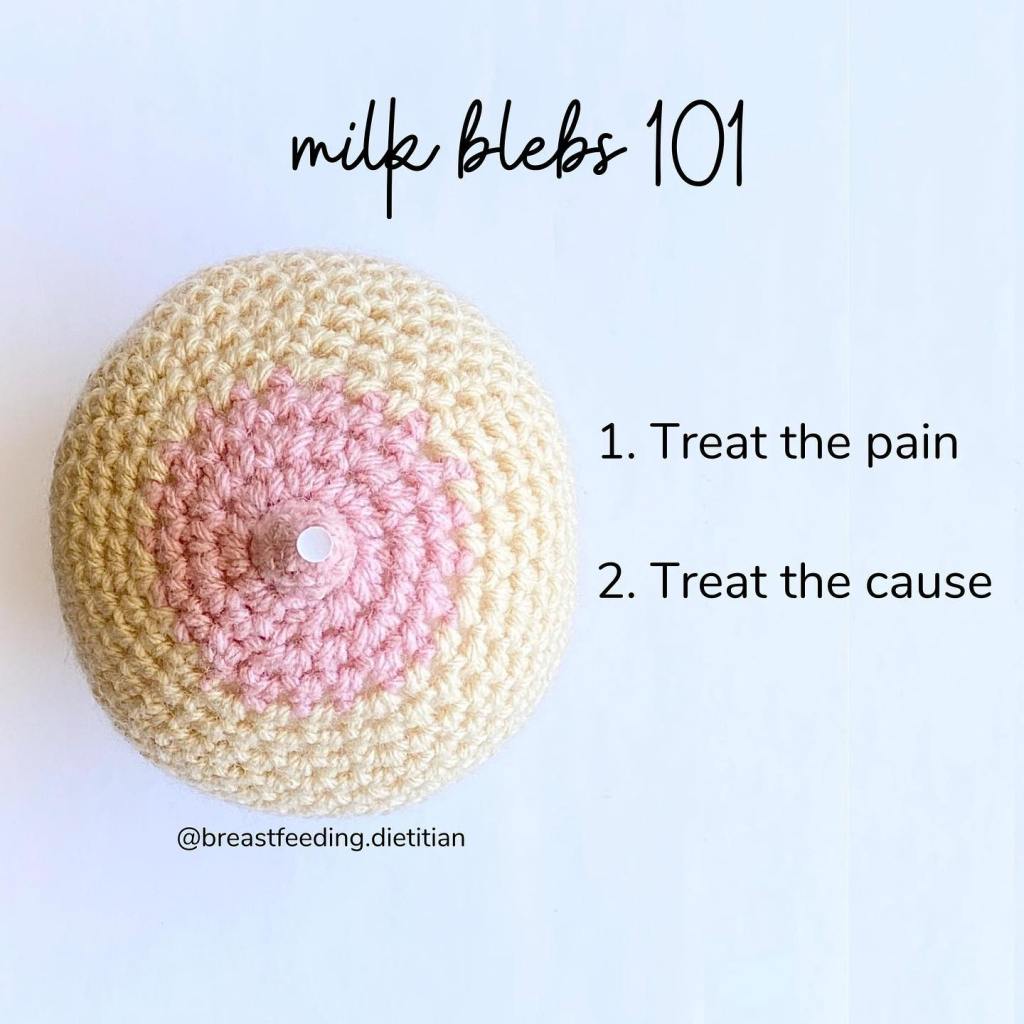
Nipple bleb.  A bleb can look like a little blister which may be white or yellow on the nipple.  Blebs show up when there is deeper inflammation and bacterial imbalance. Treat the underlying mastitis (inflammation) and the bleb will resolve. If you have a bleb, let your Lactation Consultant know.  Do not try to squeeze or pop the bleb as that will open the skin for infection.


Vasospasm. If your nipples turn colors after feeding (white, purple, or blue) you may be experiencing vasospasm.  This is caused by a constriction of blood flow from nipple damage, poor latch, or topical anti-fungals. Fixing the cause stops the vasospasm.

As always, check with your Lactation Consultant for further guidance.